
- Details
-
Also available:


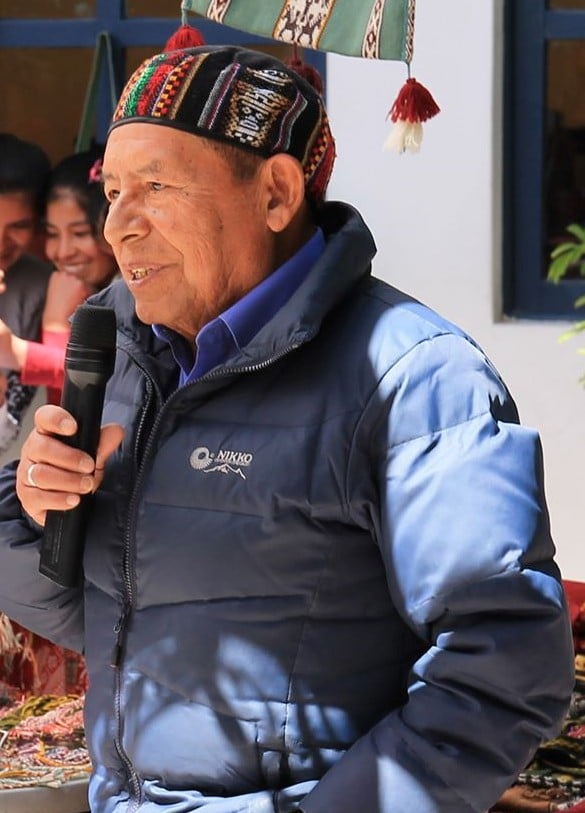
Dear friends, it is with great sadness that we announce the departure of our comrade, friend and great fighter for just causes, Juan Churats Huaracha. In addition to being co-founder of the Casa Campesina del Centro Bartolomé de Las Casas, his vocation of service to the men, women and children of rural areas has been, until shortly before his departure, his bastion of life. His legacy and teachings are and will always be present in our daily lives
- Details
-
Also available:
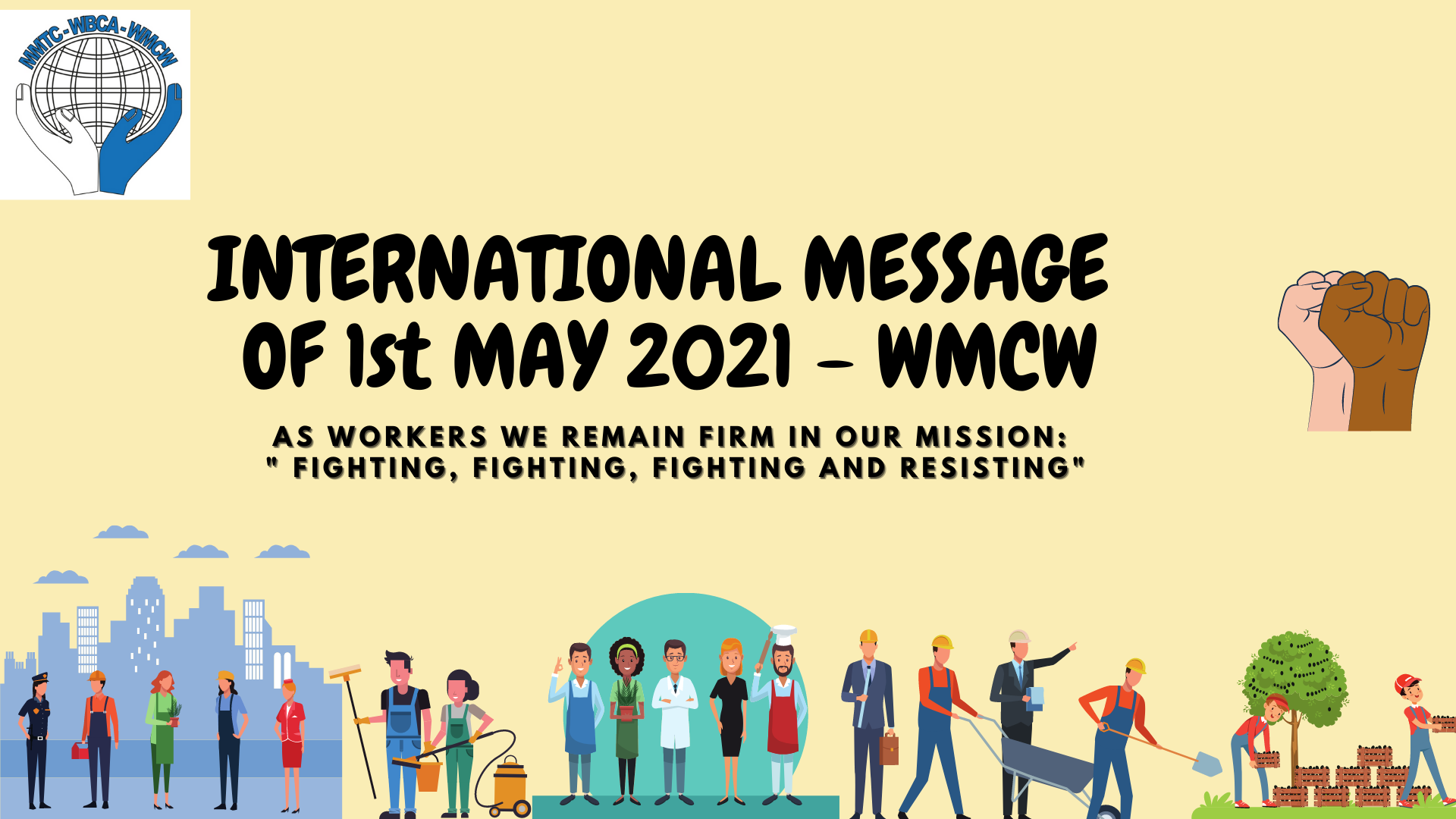
AS WORKERS WE REMAIN FIRM IN OUR MISSION: “FIGHTING, FIGHTING, FIGHTING AND RESISTING”
We thought we had gone out of this health crisis and we could demonstrate in the Labour Day. But here we are, still under the yoke of this pandemic which is gnawing our Common House, fighting to keep us safe.
1st May is an indelible inscription. We are not only fighting against a destructive virus globally, but also against a dividing current that decreases the primacy of work. This social and personal value, which raises the dignity of each individual, must be always held high in the hearts and minds of states as a humanity standard.
Will we be able to watch out the decline of the value inherited from the ancients?
Will we be able to watch out for the dignity of the poor who are constantly deprived of their dignity, of the marginalised who queue in solidarity shops, “resto du coeur”, or during the distribution of food parcels and solidarity cheques? Will we be able to resist before the economic exploitation with workers?
- Details
-
Also available:
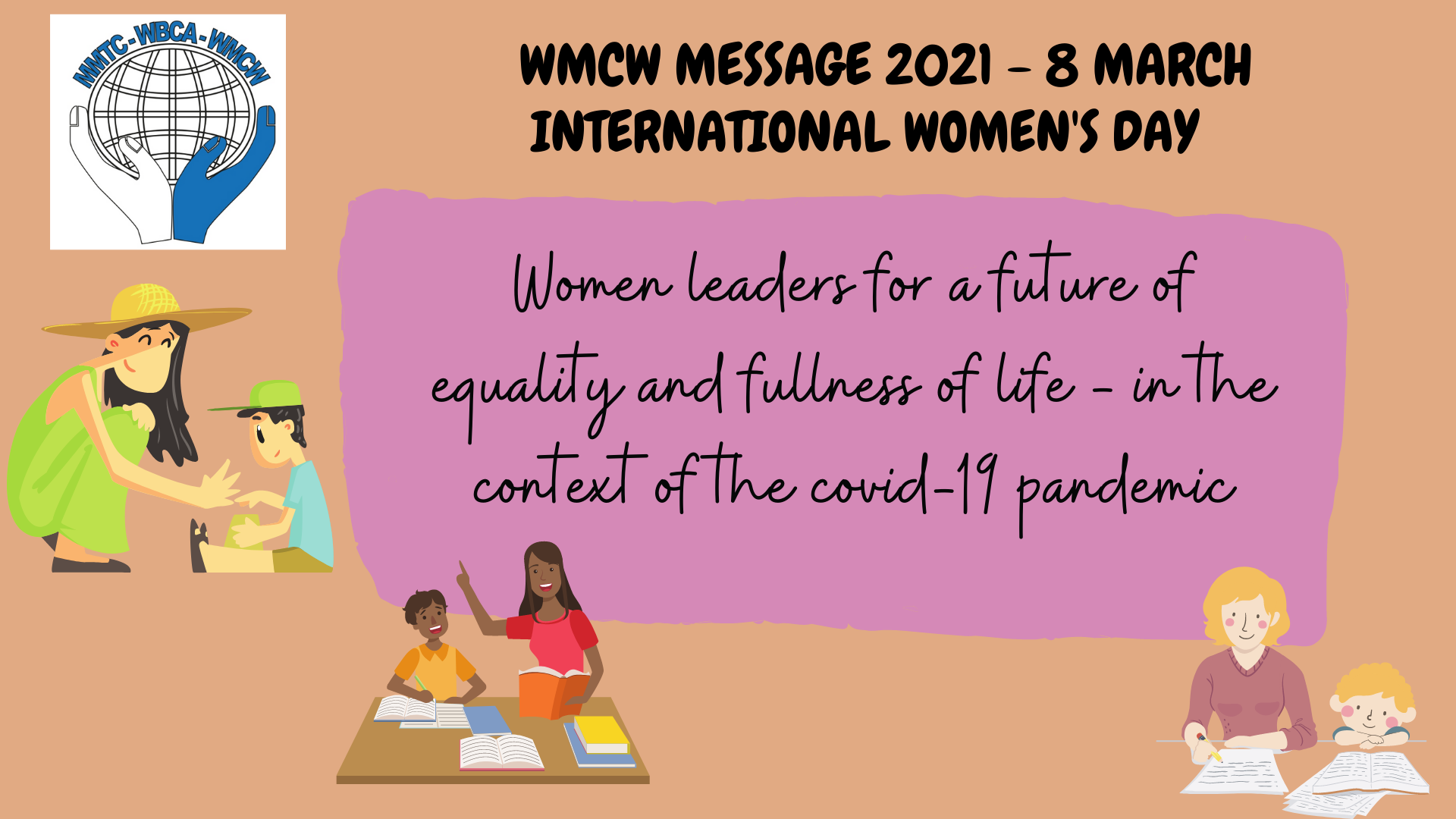
We commemorate International Women's Day, in memory of the momentous event that marked the history of labour and trade union struggle around the world on March 8, 1908. On this date 129 women died in a fire in the Cotton factory in New York, USA, after they went on strike and stayed at their workplace. The reason: a reduction of the working day to 10 hours, equal pay for the same work as men, and to overcome the poor working conditions they suffered.
From our own journey and our own perspectives as women activists and members of the WMCW, we take on the dedication of the year 2021 at the global level with the slogan: "Women leaders: For an egalitarian future in the world of Covid-19". Our daily contribution to the construction of relations of equality and the enjoyment of the Integral Well-being of our families, communities and peoples is still undervalued and made invisible by a society of consumption and discarding..
- Details
-
Also available:
The International Specialised Catholic Action Movements (Miacs) represent more than 500 movements around the world with a great diversity of countries, cultures and backgrounds. Since the beginning of the Covid pandemic we have been reflecting together on this crisis and wish to share some thoughts and actions.
The pandemic has brutally aggravated pre-existing problems: unemployment, inequalities between gender, between rich and poor, within and between countries, and domestic violence. Various needs including access to healthcare, social security, working conditions, health, food, education, reception of migrants are growing as is the visibility of these problems and the national debt.
The pandemic has made these situations unbearable, as illustrated by the reports of IYCW on the impact of Covid on young workers, FIMARC on farmers and fisherfolk, and MIDADE on the living conditions of children. A system that fails to solve these roblems or to prevent them from worsening, needs to change.
- Details
-
Also available:
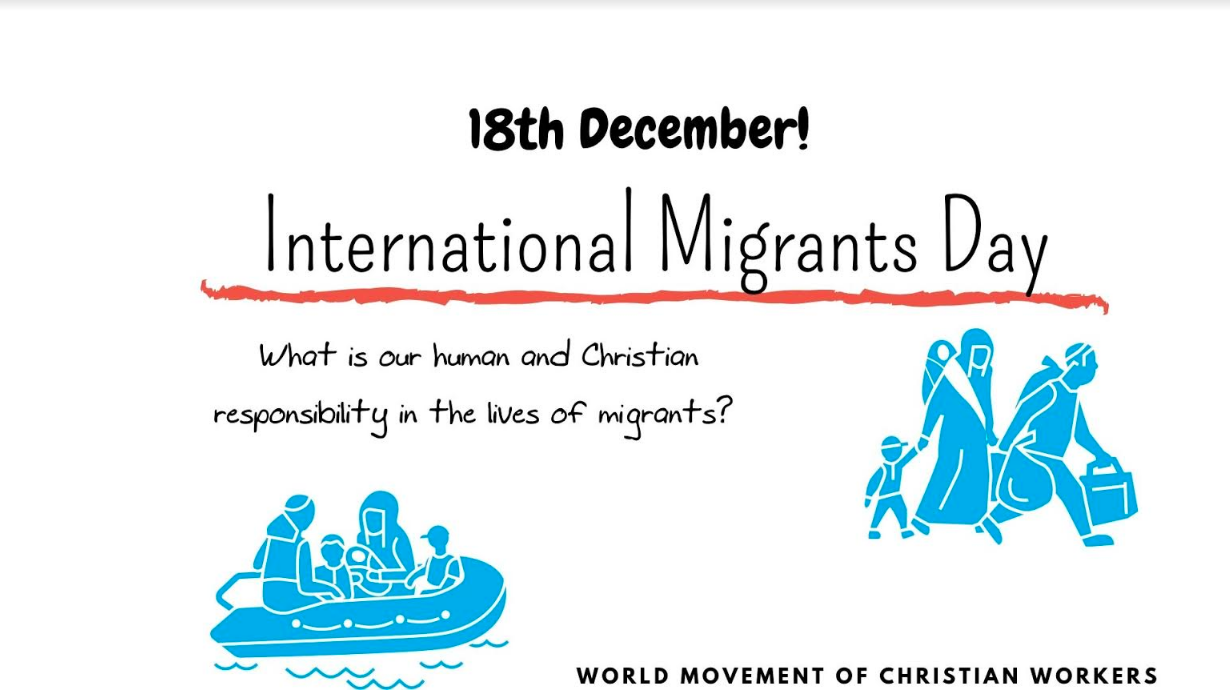
The migrants occupy a very special place and deserve the greatest attention among others. There are millions of migrants around the world, and the numbers are increasing continuously. One of the vital missions as Catholics is to be in solidarity with the weakest and the suffering of our society. Our confessional allegiances must be challenged by the realities in which we find ourselves. We must free ourselves from institutional bondages. Migration is one of the many expressions of marginalisation that affects the poor. The main reason is because of its compulsory nature and the injustices it represents, migration calls for a commitment to fight against it, in the name of the liberated God.
The global crisis caused by Covid-19 pandemic, resulted in millions of migrants loosing the jobs and to be fled to their own countries penniless. This had affected migrants both physically and mentally. Economic instability is another major woe against dignified human living. The pandemic has reminded us how essential co-responsibility is and that only with the contribution of everyone; even of those groups so often underestimated can we face this crisis. Drawing close to others often means being willing to take risks as so many medical staff have taught us during the Covid-19 pandemic.
- Details
-
Also available:
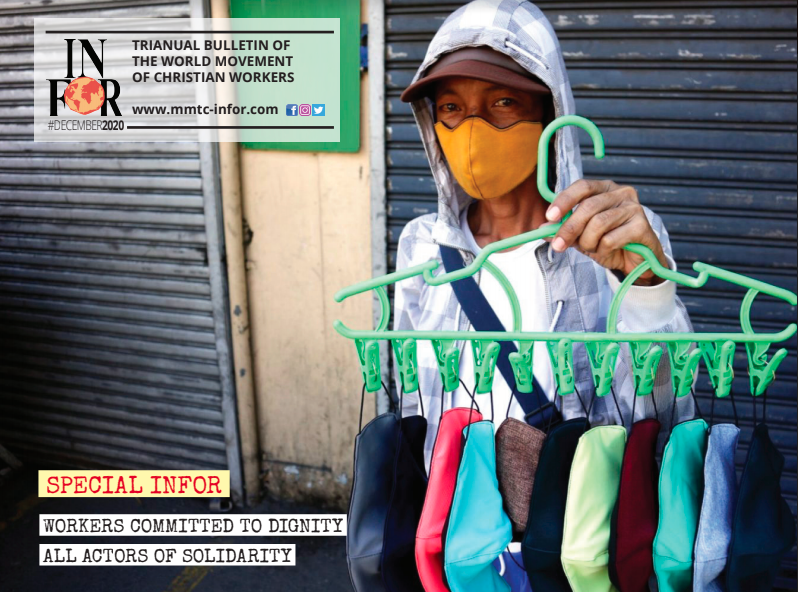
Most movements analyse this time of pandemic as an extension of crisis provoked long time ago by neoliberarl system: a system that crushes the most fragile and the smallest ones. COVID-19 has only amplified the suffering, fears and the poverty. And the first victims are the workers and, among them, the migrants, women, young people, informal sector workers... all this reminds us of the commad of profet Amos: «Woe to him who tramples of Justice!». Let us pray to the Lord that we will not be one of them!
- Details
-
Also available:
- Details
-
Also available:
This "Letter to Francis" is the document that the popular movements will present to the "Economy of Francis" event, scheduled for next November, as a proposal for alternative dialogue to the current "predatory system". It was presented at the World Meeting of People's Movements and the Vatican on October 24, 2020 by Marina Oliveira, Juliane Furno, Andrés Cappa and Jean Jores who stressed that "the socio-environmental crisis cannot be overcome within the framework of the current system that idolizes money."
Therefore, this alternative proposal basically involves placing "women, men and nature at the centre" of political decisions in the face of the idolatry and power of money that prevails. The popular movements, which recognise "the breadth of Francis' thought", propose "a vision that we consider to be in harmony with the radical nature of his teachings and the revolutionary nature of the Christian faith". A proposal based on five axes: Integral ecology and common goods; Economic democracy; Land, housing and work; Education, health, communication and technology; Sovereignty, human mobility and peace and which has as its origin "the documents elaborated in the three meetings of popular movements, the various national and regional meetings held by community organizations and the interventions of Pope Francis on various subjects.
- Details
-
Also available:
Lord,
Hear our prayer in this year 2020, and on this day for decent work!
You see us at the exit of this global health crisis provoked by COVID-19!
During this crisis and in the immediate aftermath,
We have commended, applauded and recognised the work of health workers,
And also, all those other key workers that made an indispensable contribution to social care, and to the economy ensuring us “living together”.
We wanted their work to be recognised and better remunerated, appreciated and decent!
But before this crisis, Lord
You knew well that this work was not being recognised,
And as well that, nurses, fire fighters, police officers, transport workers, refuge collectors, etc…. who had been demanding better salaries, working conditions and superior equipment, were rejected, refused, ignored in the name of economic system!
You know, all too well, that numerous workers have deteriorating health and sometimes are losing their lives
Because their working conditions were too poor or dangerous.
So, Lord, make this global crisis produce something new!
That we find new ways of living our personal lives, engaging in new ways of consuming, planning, taking care of the planet and by respecting the work of others more decently.
That we find new ways of living our social lives, be that in our groups, our associations, our co-operatives, … learning how to invent new forms of work that is more respectful of health and with a decent salary.
That we find new ways of living our life, so that political, economic, and trades union leaders … place human beings as the priority above the economy at thus exerting more responsibility and a little more decency.
That we find new ways of living in our international relations, and that change the systems of injustice which imprison millions of women and men in materiel poverty, health insecurity, economic exclusion, … so many evils that prevent having a real and decent life.
That we find new ways of living our spiritual life, so that through these trials, we will understand better how much You matter to each and everyone of us. Yes, Lord God, help-us:
To be men and women of Faith, to always desire to believe in a decent world.
To be men and women of Hope, capable of imaging this decent life.
To be men and women of Love, making the choices, leading to actions that will bring a world that we are constructing to be one that is more beautiful, more just, and will be a reflection of Your Love.
A reflection of You: A Good, patient and merciful God, a Decent God for us all and for ever and ever Amen
Fr, Bernard ROBERT – international Chaplain WMCW
- Details
-
Also available:
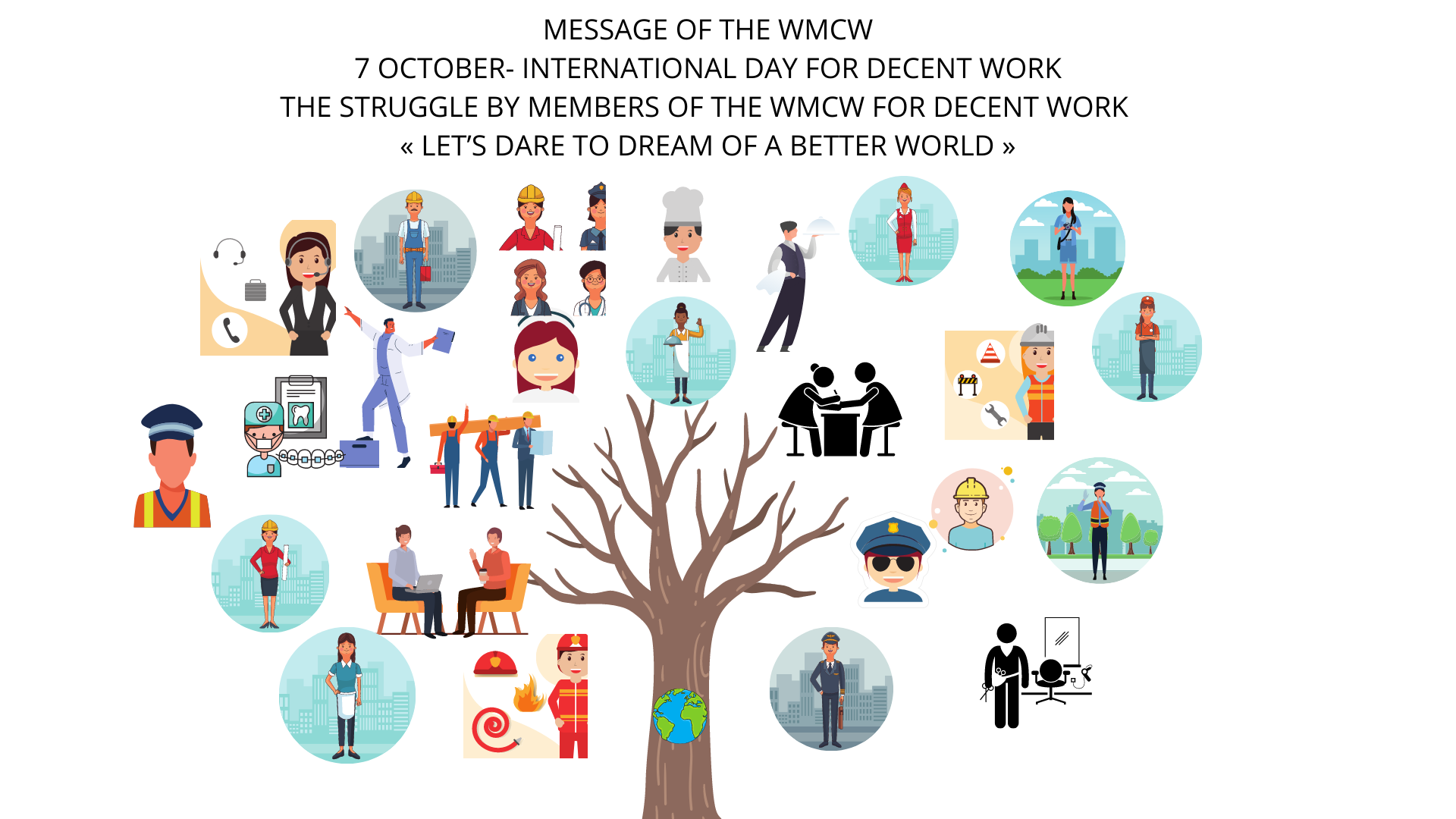
Decent work is central to the four strategic objectives of the International Labour Organisation relating to rights at work, in particular those defined as fundamental by the Declaration of Fundamental Principles Rights and at Work and its Follow-up, adopted in 1998.
For the ILO, it is necessary to put in place economic policies to stimulate the creation of more and better jobs, to reduce informal work, to fight against child labour and slavery as well as against all forms of discrimination. It is also imperative to promote youth employment, extend and improve social protection, stimulate education and vocational training and strengthen workers' rights.
This implies that women and men all over the world benefit from decently paid employment carried out under conditions of equality, freedom, including freedom of association and total security in order to guarantee a dignified life.
Decent and productive work is the main tool in overcoming poverty that afflicts millions of working people around the world. It is fundamental for building more democratic societies and for combating all forms of exclusion.
On this international day of Decent Work October 7, it is time to strengthen our reflection on the right to decent work for all.
- Details
-
Also available:

The WMCW offers you a four-part Review of Life about the situations experienced during this period of coronavirus pandemic. Propose it to your activists and send your thoughts to the This email address is being protected from spambots. You need JavaScript enabled to view it.. Good reflection !
- Details
-
Also available:
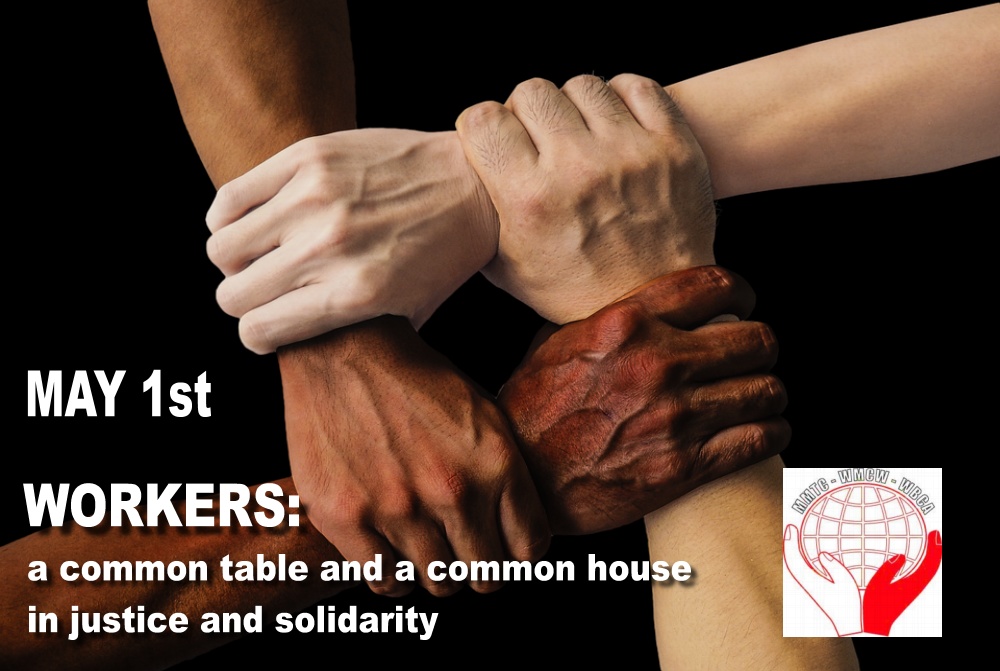
On 1st May, International Workers’ Day, as a World Movement of Christian Workers, we commemorate:
The liberating feat of the martyred workers of Chicago, USA, 1884. Those who with their days of protest, stoppages and boycotts, from May 1 to 4, 1884, claimed an 8-hour day of work: "eight hours for labour eight hours for recreation and eight hours for rest ”- American Federation of Labour.
Our commitment as a Christian workers' movement, articulated to the struggles of all the workers in the countryside and the city; in achieving a Decent Life expressed in: decent work days, fair wages and humane conditions in the work environment.
- Details
-
Also available:
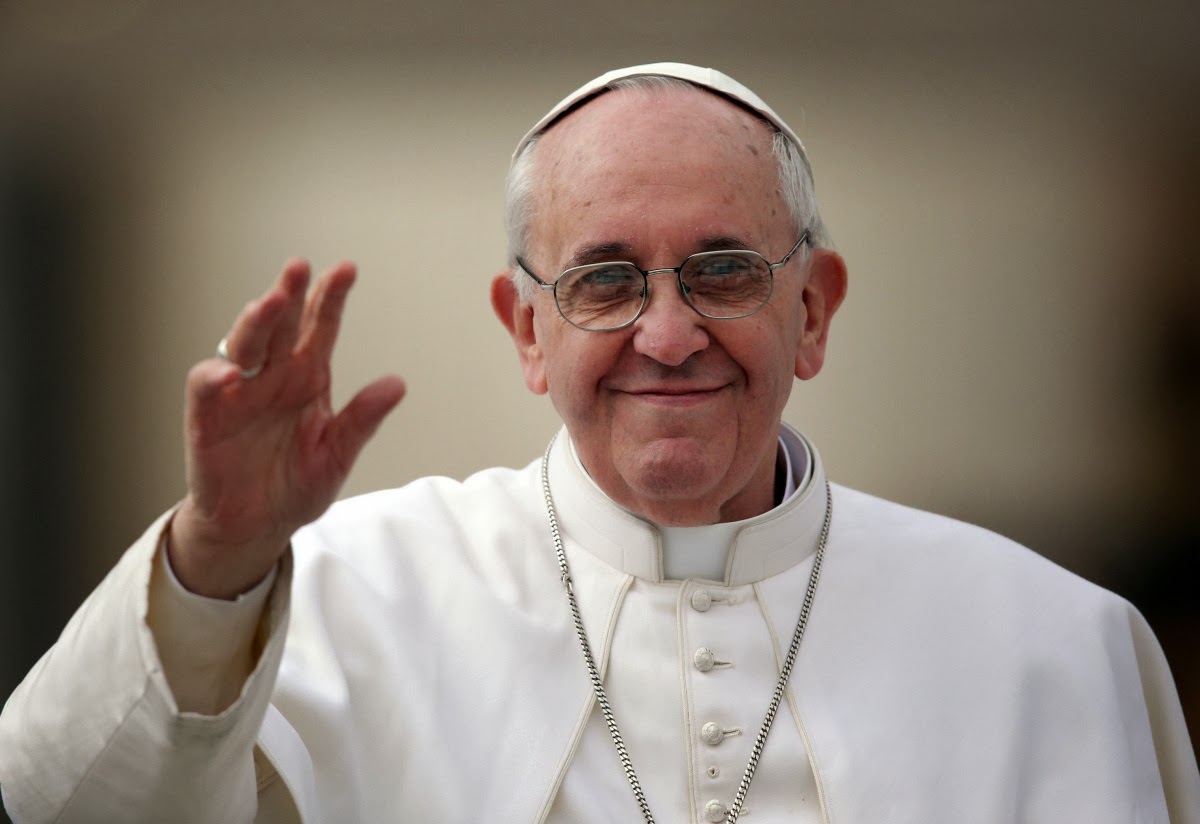
To our brothers and sisters of popular movements and organizations
Dear Friends,
I often recall our previous meetings: two at the Vatican and one in Santa Cruz de la Sierra, and I must tell you that this “souvenir” warms my heart. It brings me closer to you, and helps me re-live so many dialogues we had during those times. I think of all the beautiful projects that emerged from those conversations and took shape and have become reality. Now, in the midst of this pandemic, I think of you in a special way and wish to express my closeness to you. In these days of great anxiety and hardship, many have used war-like metaphors to refer to the pandemic we are experiencing. If the struggle against COVID-19 is a war, then you are truly an invisible army, fighting in the most dangerous trenches; an army whose only weapons are solidarity, hope, and community spirit, all revitalizing at a time when no one can save themselves alone. As I told you in our meetings, to me you are social poets because, from the forgotten peripheries where you live, you create admirable solutions for the most pressing problems afflicting the marginalized.
I know that you nearly never receive the recognition that you deserve, because you are truly invisible to the system. Market solutions do not reach the peripheries, and State protection is hardly visible there. Nor do you have the resources to substitute for its functioning. You are looked upon with suspicion when through community organization you try to move beyond philanthropy or when, instead of resigning and hoping to catch some crumbs that fall from the table of economic power, you claim your rights. You often feel rage and powerlessness at the sight of persistent inequalities and when any excuse at all is sufficient for maintaining those privileges. Nevertheless, you do not resign yourselves to complaining: you roll up your sleeves and keep working for your families, your communities, and the common good. Your resilience helps me, challenges me, and teaches me a great deal.
