



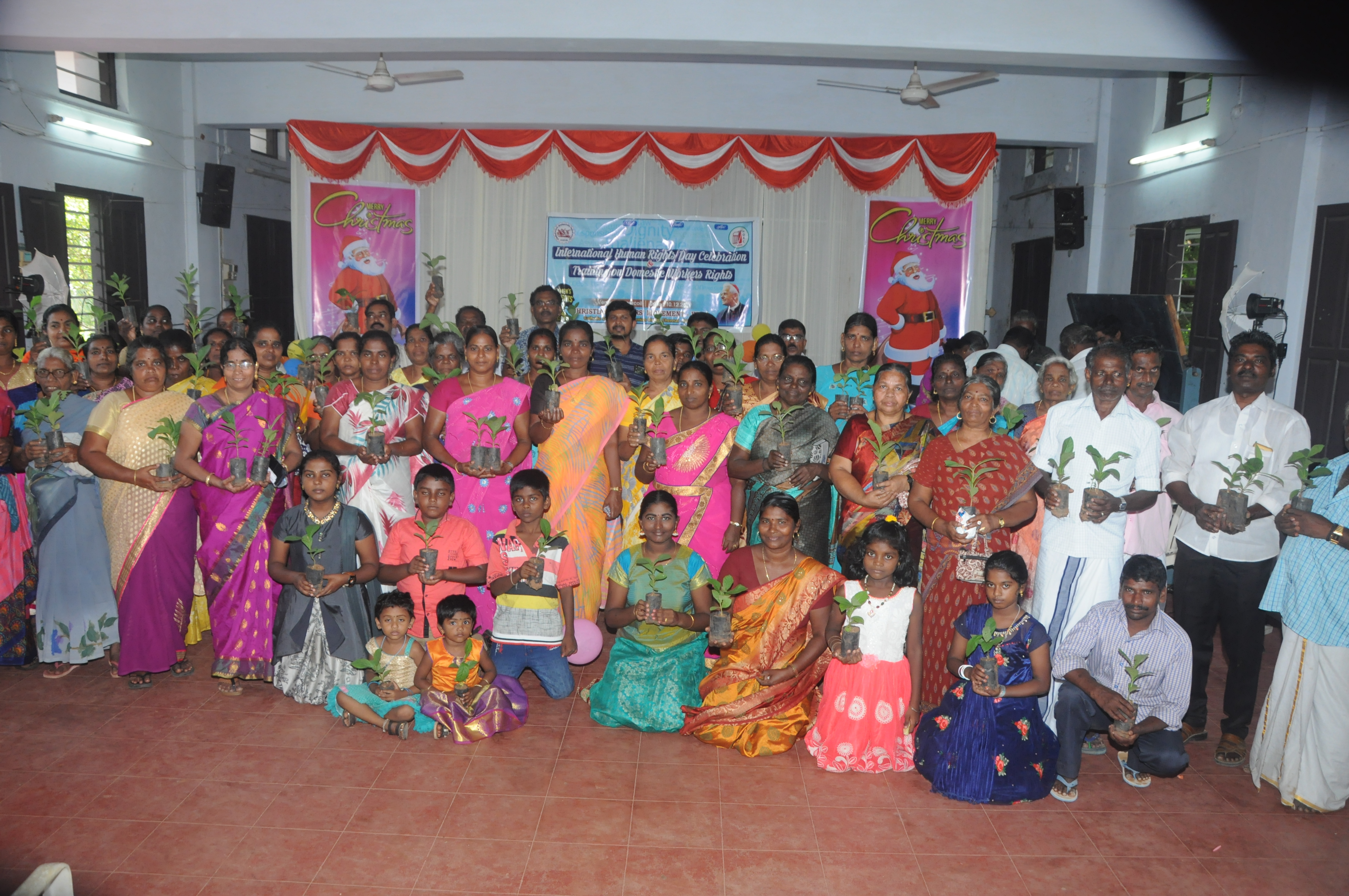
In a context where climate change is worsening and disrupting social, economic, and environmental balances, women play an essential role in encouraging sustainable transformations. Because they are often on the front lines of ecological impacts and manage resources such as water, food, or land on a daily basis, they possess valuable knowledge and significant capacity for action. Their participation in decision-making and their leadership are indispensable for building effective, inclusive, and locally adapted climate strategies.
In many regions of the world, women feel the effects of climate change more strongly. Social inequalities, economic insecurity, or limited accesses to resources increase their vulnerability. Yet they are responsible for essential tasks such as water management, crop cultivation, and food security. Faced with drought, soil degradation, or declining resources, they develop innovative solutions to protect their communities. Their knowledge of local ecosystems and their ability to adapt make them key actors in the fight against climate disruption.
Numerous initiatives led by women demonstrate their commitment and creativity. Often based on traditional or local knowledge, these actions respond to urgent environmental challenges while strengthening their autonomy. They prove that women are not only affected by climate change, but are also capable of proposing and implementing sustainable solutions.
Despite their central role, their contribution often remains underestimated. Yet their proximity to issues of food security, water management, and natural resource preservation gives them a unique understanding of the impacts of global warming.
Women also bring innovative solutions thanks to their know-how and their ability to mobilize communities. In several Indigenous regions, they play an important role in adopting sustainable agricultural practices that strengthen crop resilience and reduce environmental impact. Their participation helps build more comprehensive strategies that take into account the needs of the whole society.
To strengthen their role in climate action, several measures are essential: their presence in decision-making bodies, the recognition of their initiatives through education, equitable access to financial and technical resources, and the creation of networks to share good practices. These actions improve the effectiveness of climate policies while promoting gender equality.
Women are also very active in awareness campaigns and citizen mobilizations. They raise alarms about the dangers of global warming, defend fairer public policies, and turn difficulties into opportunities, even in very challenging contexts.
The fight against climate change cannot succeed without an inclusive approach that recognizes and values everyone’s skills. Women’s empowerment, their access to resources, and their full participation in decision-making are indispensable for building a sustainable future. Supporting their commitment means strengthening community resilience, promoting social justice, and ensuring more relevant and equitable climate solutions. Women are essential actors in the climate transition.
By Louise PARÉ,
MTC Quebec
